Happy Holidays!

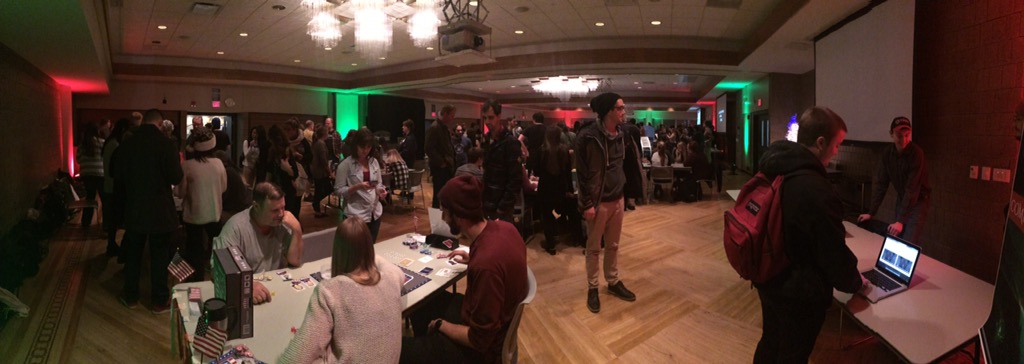
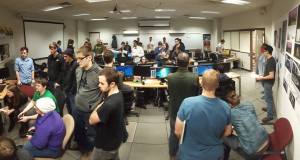
Well, we did it, we have finished the first semester of our project! We are very excited that we have finished the semester. We just did a public play testing on the 14th, where the senior game design teams got to have our games played students on campus, who were attracted by the lure of both playing games and free pizza. We laughed, we cried, we broke our games, we found things that were working great, and we found things that made people want to throw the controller through the screen. But hey, that’s what play testing is all about. We had a great turnout and people enjoyed playing the games. As a group, we got a lot of great feedback for Everend from it that we look forward to working on next semester.
blog post

We also made an appearance at the fall game launch here at Stout to show some previews of what we have so far, and are excited to bring our finished game to the Spring Game Launch next semester on April 27 2016 starting at 7 pm. If you are interested in seeing the final project that we have been talking about, meeting Kaia, and helping her find her way out of the caves, then we really look forward to seeing you there! If you cannot make it to that event we will also be showing the game at the senior show on May 6th. We just went to this semester’s senior show to get ideas and what we want to do, and I found a few ideas that I think may be really fun. I hope to see you at one of these events, and I know the others in the group would be happy to see you as well.

Over this entire semester we have worked hard and we feel confident in what we have accomplished. The artists have worked hard and the game looks great. The programmers have helped the art take flight, quite literally in the point of Kaia, and have breathed life into the game. Being a part of this game has made me very happy. I worked on the lighting of the game and with the help of the artists we have given some very interesting light to the game. Over the next semester I will be working closely with the art team to get the lighting to be what we want for the game. Some of us are taking a short break for about a month to relax and unwind during our winterm, the semester that happens between the fall and spring semesters. Some of us will be working hard through that month to get a head start on the next sprint.We all are thankful for those of you who have been following our progress from the very start, and welcome those who are just starting to check out our funny little owl game. Your support means so much to us, thank you for all that you do. Overall I would like to wish everyone Happy Holidays from Strix Studios, we’ll see you again real soon.
Animations Blog

Hey!  Here’s an update on where we are at with the animations.  As of right now the only thing we have fully modeled is Kaia herself.  It took a little bit of hard work but I think I now have a good understanding of how I want Kaia herself to move.
I’ll be going over the research I did to bring this character to life.

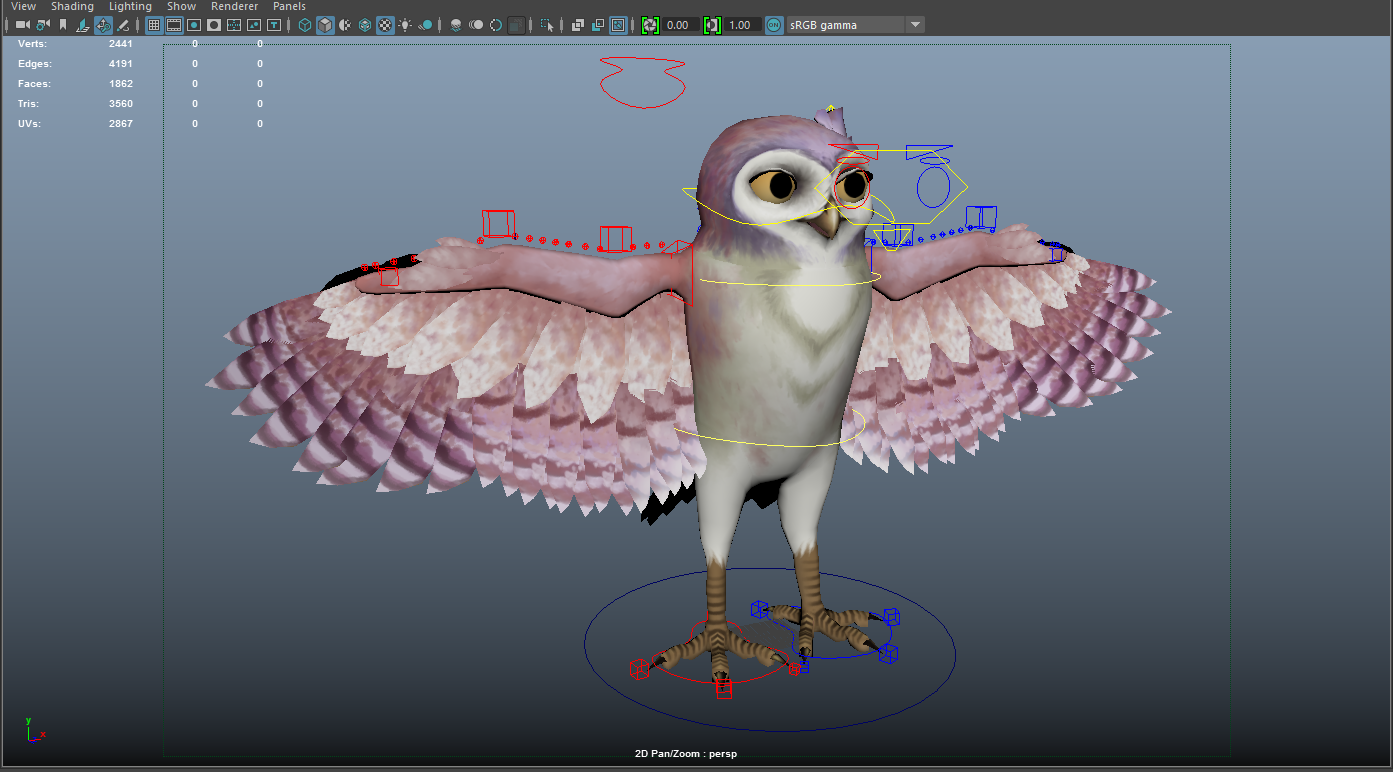
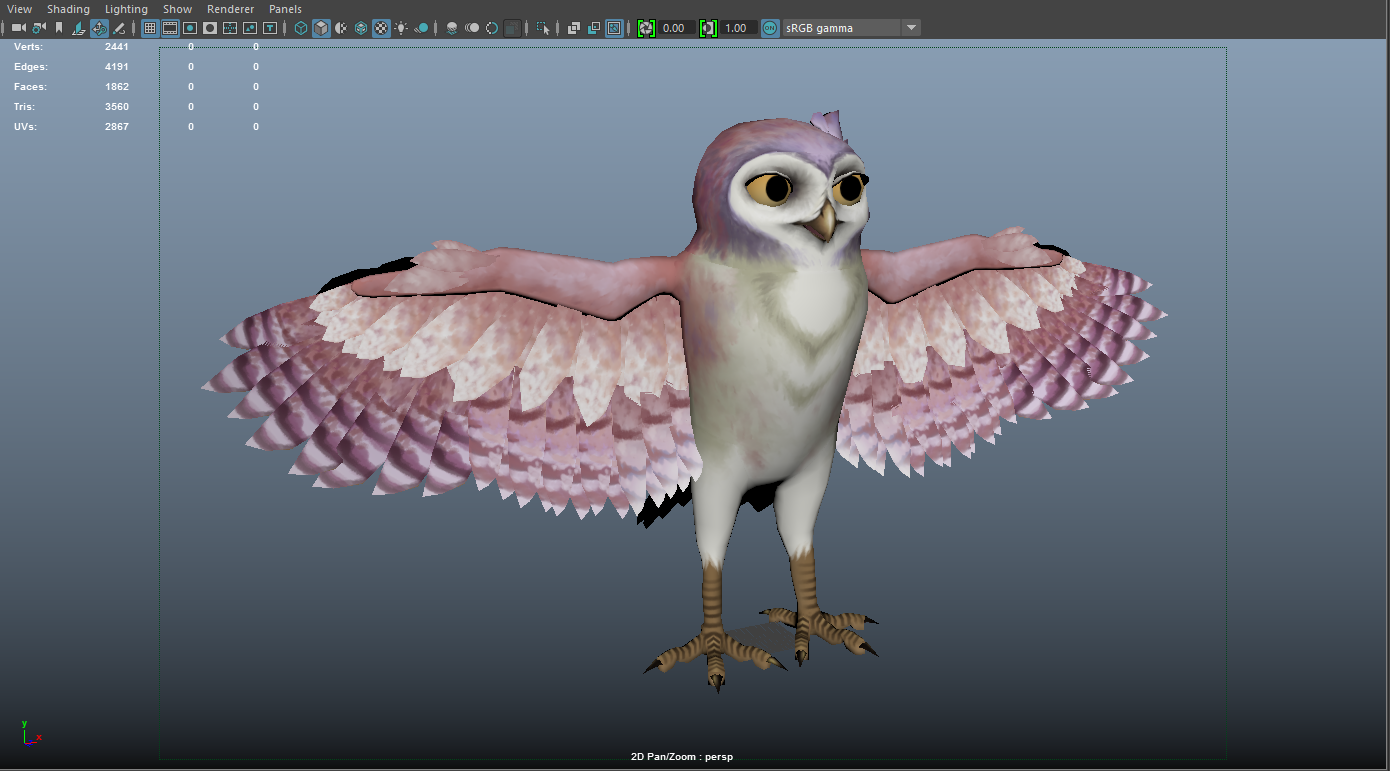
To start I had to give Kaia her bones and controls so that I could move her anatomy just like an ordinary owl.  This process is called “rigging” and it takes a lot of time to get it right.  To keep it simple I’ll give you some pictures of the progress.

kaianorigHere she is looking so pretty. Now let’s take a look underneath the skin. 

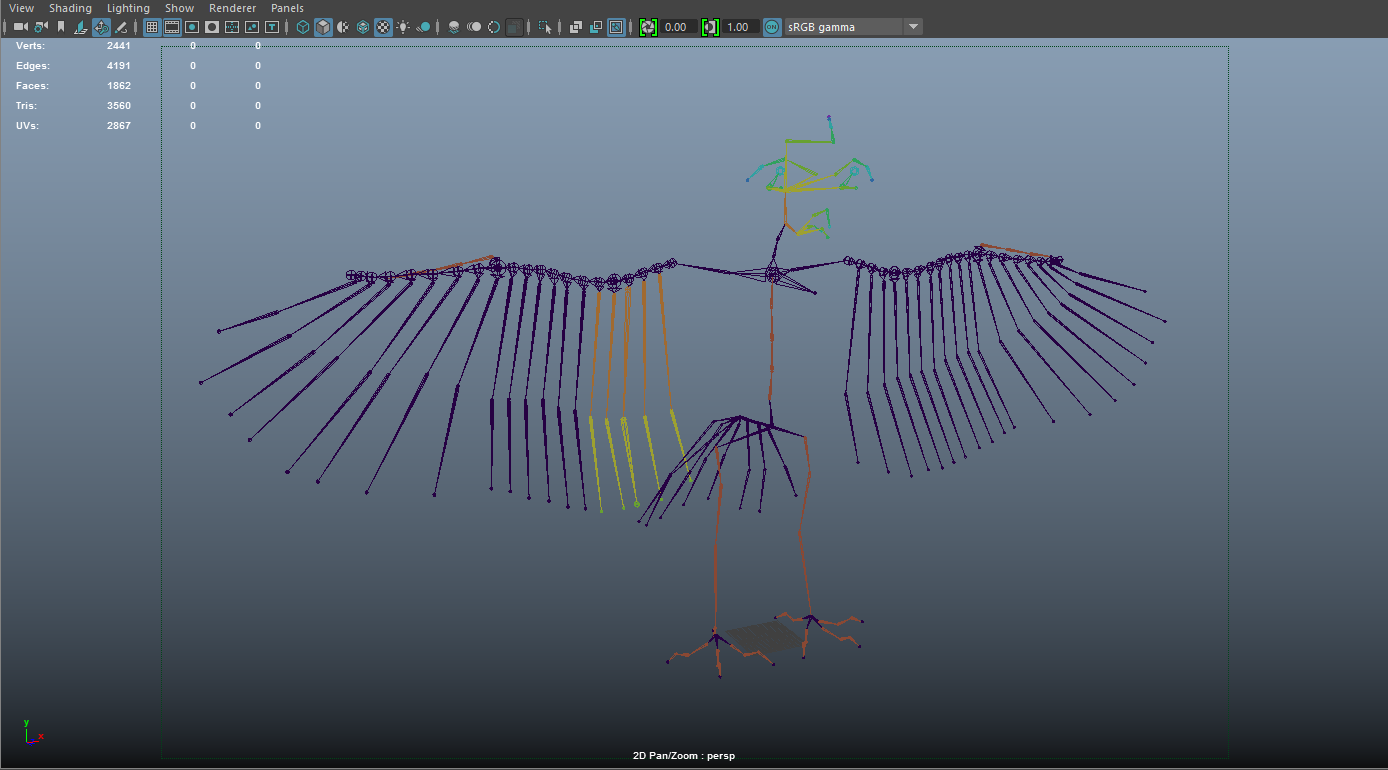
CaptureEwww Gross!  I know right but this is necessary to make the character move.  I know it’s hard to see but each one of those small points is a bone, 98 to be exact.  Each one influences a piece of the Kaia’s body.  Once this was done we need to add controls to the bones cause no one in their right mind would want to move 98 separate bones.  That’s just crazy.  

w.controlsThere we go. So we took away the bones and now you can see only 28 controls.  Each one does something different.  I put a lot of control for the feathers because the animators like it when the controls are well designed and best suited for the type of animating you are doing.

Now to animate this thing I first had to become the owl.  So for a whole day I spent acting out how I would think an curious owl would.  Owls can’t move their eyes so if I wanted to look at something I had to move my entire head.  And if I wanted to move somewhere I would crouch down in a little ball and act it out.  If you think I would be crazy enough to do this in front of everyone you’re right!  We animators are pretty crazy but we have to get in character so that the animations reflect how we want them to feel.  During this time I also looked for inspiration on the internet from owls running in slow motion to watching the movie “Owls of Ga’hoole” like 13 times.  Great movie by the way.

So when you are making a game character you have a list of all the different animations you need to complete for each type of input you want your character to have.  I started with the most important ones so that the game would be playable as of right now.  That consisted of running, idle, jump, double jump, and glide.  There are many more that I have yet to do but I wanted to share with you what I have done so far.  

I hope that you are looking forward to the game cause I can’t wait either.  Right now I’m trying to figure out how an owl would swim underwater!  I’ll update you on that once I get it done.  Thanks for checking in and stay tuned for more!

Game Trailer and Poster

Bring on the feels! Here’s the very first trailer of Everend.

Our very talented artists Hue Vang and Mitch Clayton created this amazing cinematic and are currently making the final 3D rendered version.

pic1

This opening cinematic help players immerse into Kaia’s world. It gives an understanding of what is happening to Kaia and how the owl will progress throughout the game.

The beautiful scene really lets the viewer become engrossed in the story and create an initial bond with the protagonist. Right from the start, players can become entranced in the deep atmospheric cave system

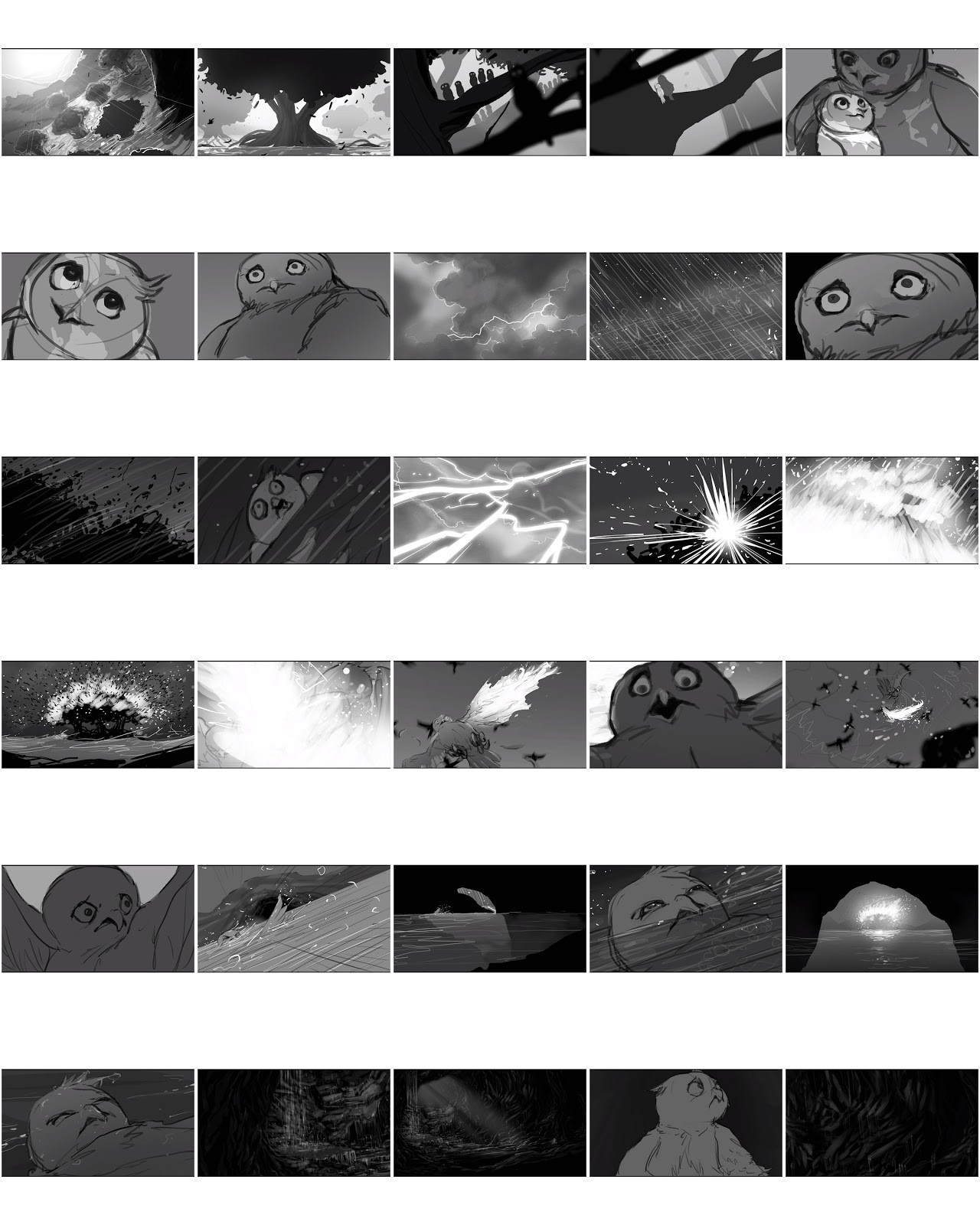
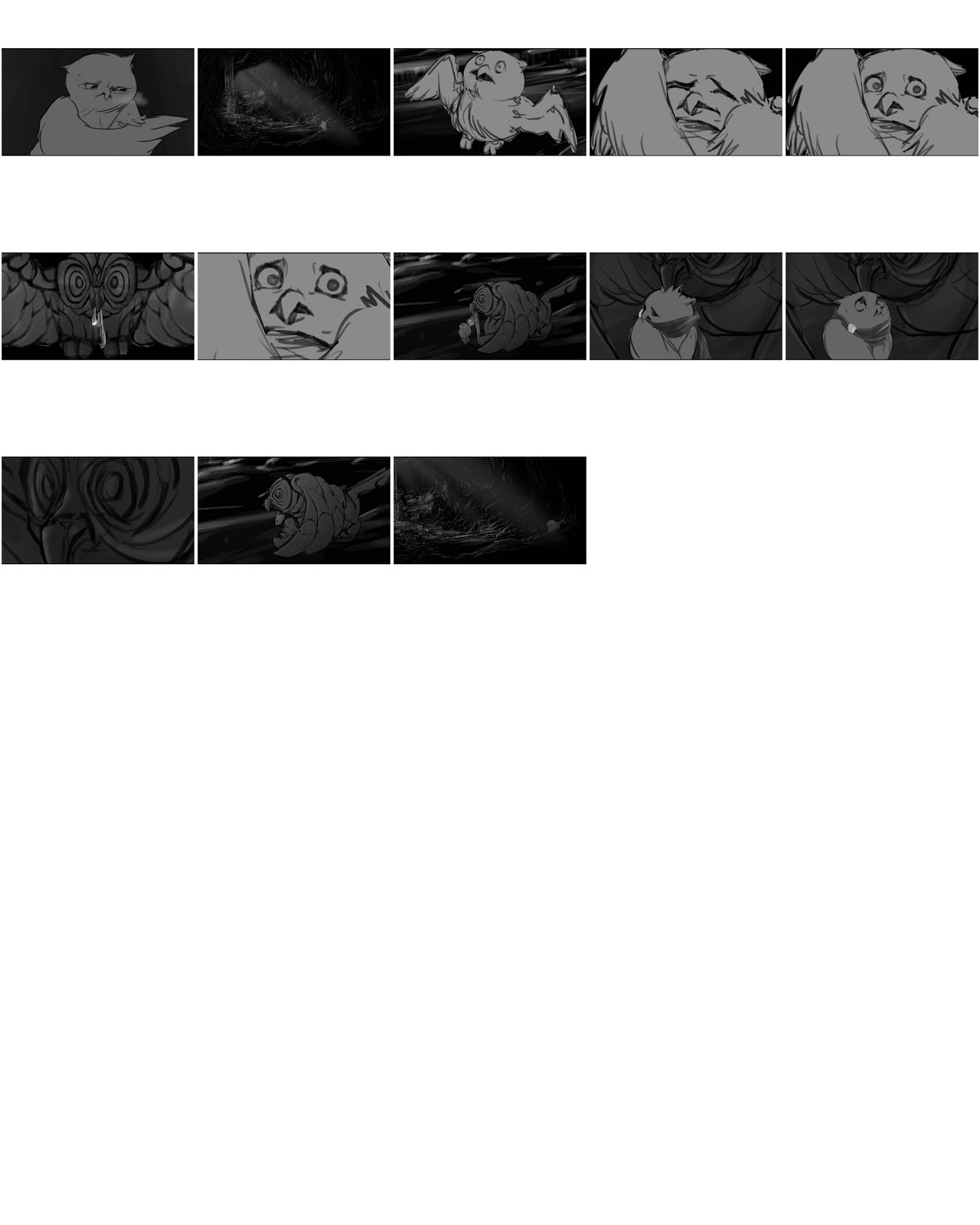
Cinematic Storyboard:

pic2 pic3

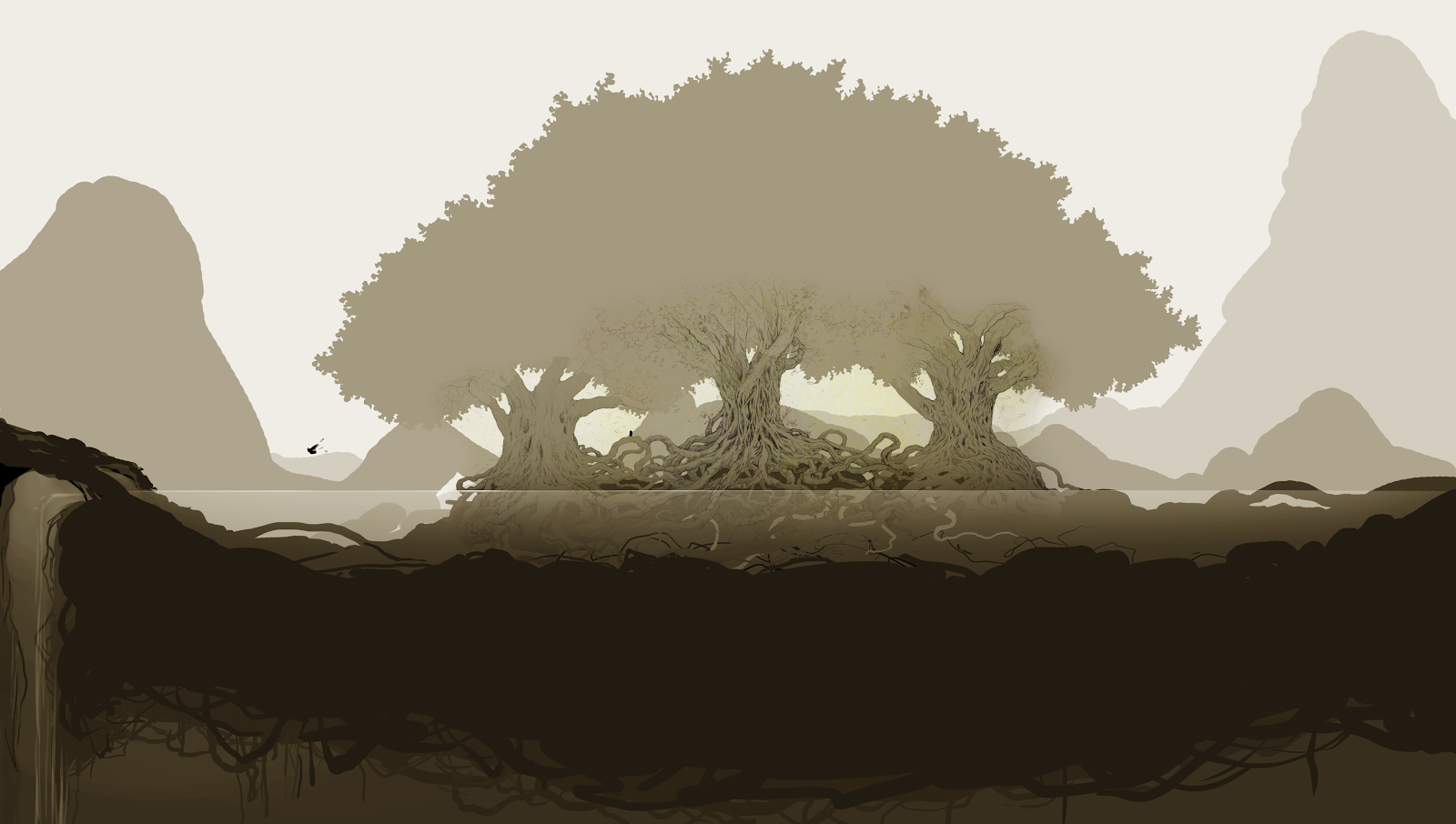
Here are some great shots of our new cinematic!

BlogPost3

TreeScene

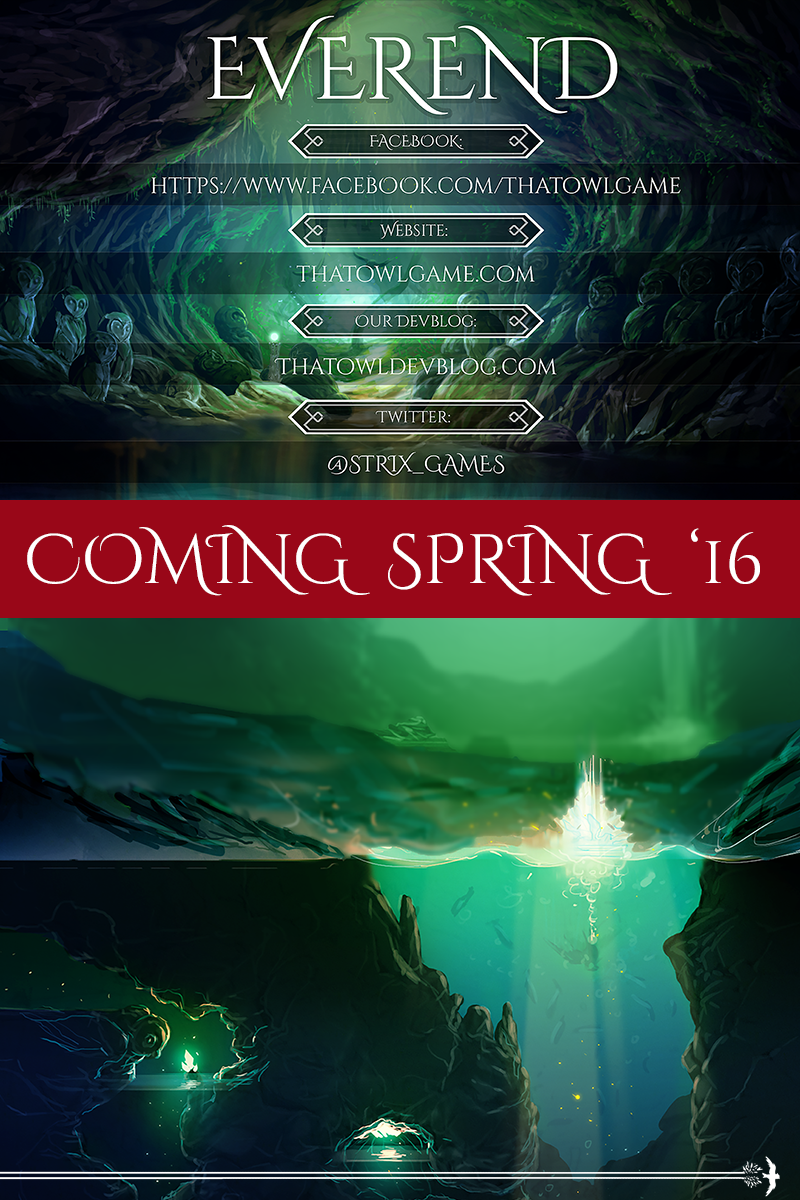
Take a look at this excellent poster created by our outstanding artist and PR manager Megan Daniels!


EverendPoster

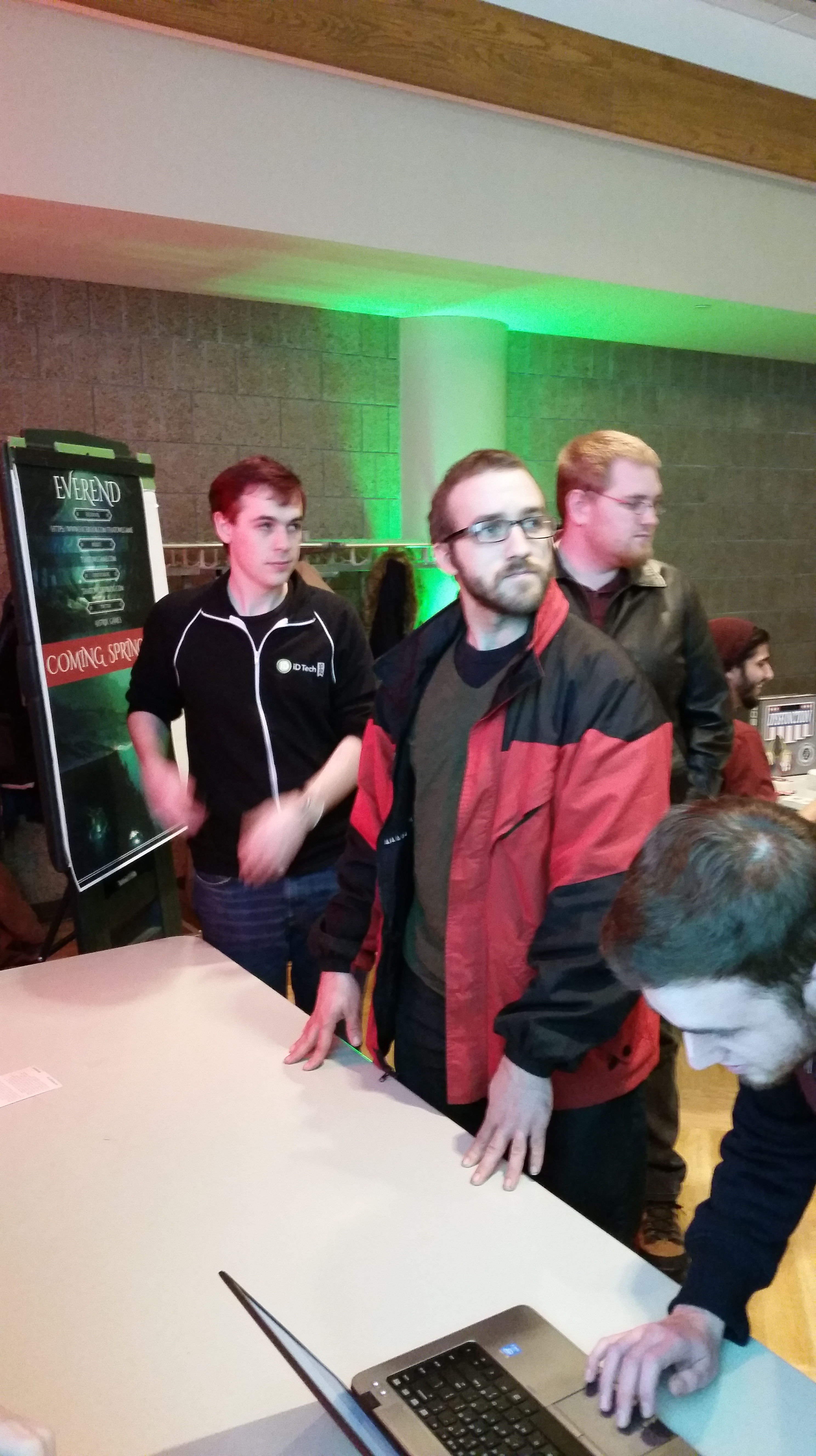
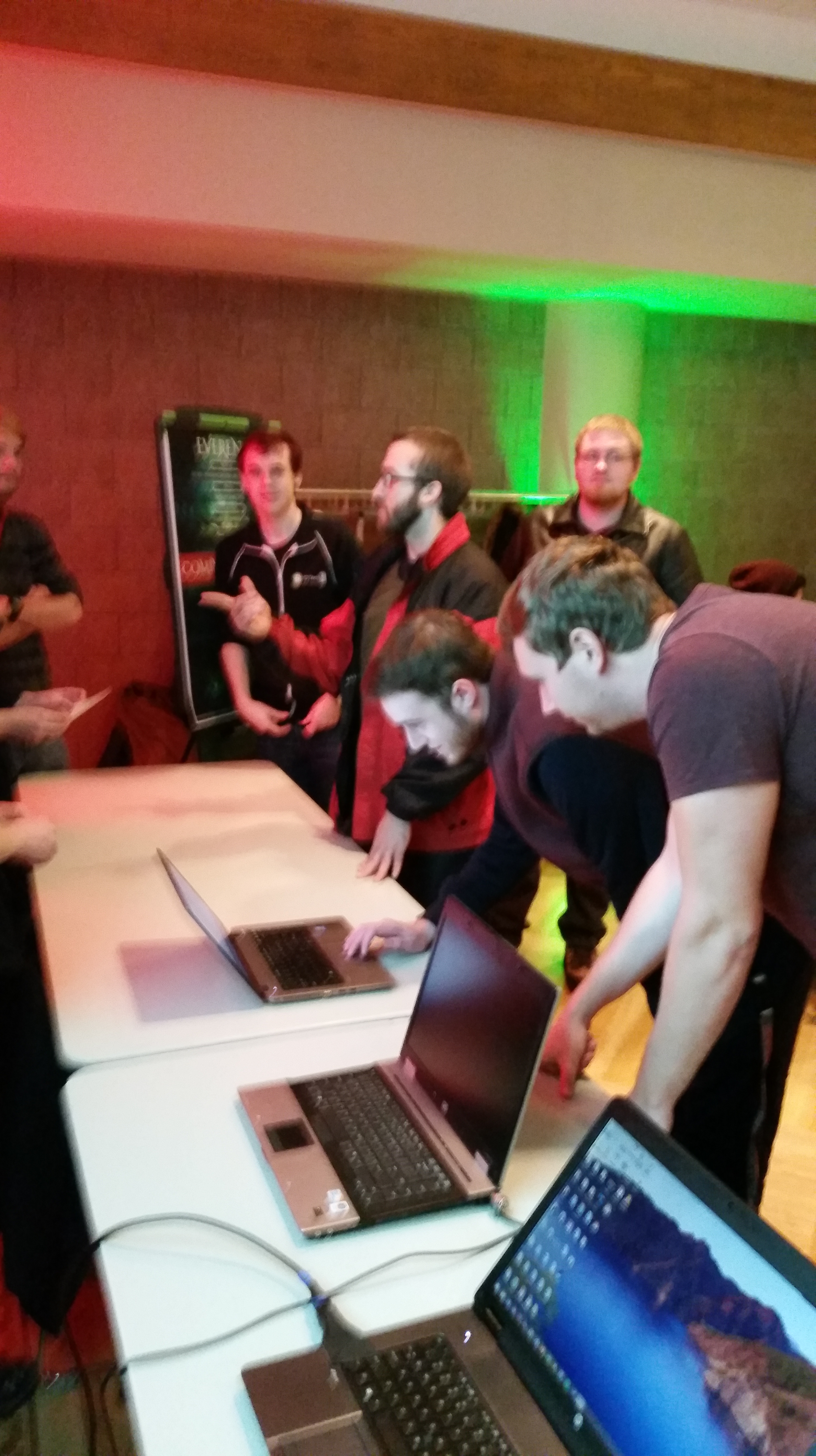
We showed both the Game Trailer and our Poster off at UW-Stout’s Game Launch on December 9th.

photo

The purpose of the Game Launch for some is to finally show off their finished games to their friends and the public. For others, it is an opportunity to present what they are planning to unveil in the future and show their current progress. The Game Launch has really changed over the past few years when we started. In the beginning there would be roughly 30 tables with several new games being shown off. And now we fill massive rooms with several hundred people showing off all the games that they have made over the semester, and even more coming to check them out! The event is a lot of fun and a great opportunity to see what is happening in the Game Design program.

20151209_19131520151209_191307


Passerby’s checking out or website and trailer at the Game Launch.

The Importance of Sound Design

Hey, everyone! Phoenix here. In one of our previous posts, we posted a sound clip we recorded while we were in Crystal Caves. In case you missed it, close your eyes and take a listen:

(If the player is not working, download the audio file here!)

Really brings you there huh?

It might be something you take for granted while playing games, but audio like this is what really helps pull you into the experience. If you can, try sometime to play a game without the audio on and you might understand where I’m coming from.

This leads me into sound design for games. Sound in games tends to be a part of game design most people don’t consider as it’s something we don’t usually actively notice it while playing a game. This is because sound is a very subtle way of breathing life into the game, usually in tandem with action. It’s also a way of giving character to a game and to put things in context. A door can take on many different meanings depending on how the door sounds when it opens, when it closes, when it’s knocked on: you can tell whether it’s metal, wood, thick, thin… Kind of funny how much you can tell about something just from how it sounds. In tandem with graphics in animation, it can really make a game object convincing!

Not only this, but it can also provide players with information even when they aren’t looking. With so much going on in one screen, sometimes those little audio cues can help. For example, having a jump sound will let a player consistently know if their character jumped, even without having to look. With these audio cues letting us know what’s going on, it becomes easier for players to pay attention to other things in the environment or for players to tune into events happening in the game world. Audio certainly does a lot for players!

Now how does this tie into level design?

As part of the design team, I’ve worked closely with them to help develop some ideas for how the world is set up and how to help players build skills they’ll need later in the game.

scan2.png

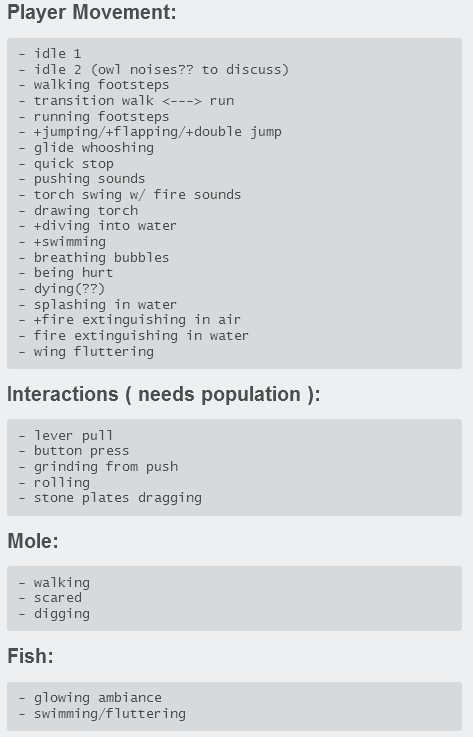
This is an example of some of the level design I’ve worked on for the game. If you’ll take a look, you’ll notice on a few of the images I have labels such as “S: Waterfall.” This is what I use to keep track of what sounds we’ll need. While designing a level or even portions of a level, it’s important for me to keep track of potential sounds we need for the game so labels like these can help with that task. Every thing we add bumps up the number of sounds we need until we get a list something like this:

sound list

This isn’t even the whole list and it’s already quite a lot!

With so many different sound effects to include it’s important to keep track of them in a list like this. This ties into level design with keeping track of all of the features of a level, from environments to objects to creatures. When something is added into a game, more than likely it will need a list of sounds to accompany it. This can range from the short list the mole has, to the lengthy list the player has, to anywhere above that! By keeping track of what’s going on in a level or in a feature in the game, it helps ensure you develop the list of sounds you need. In the end, your game could have dozens or even hundreds of different sounds and it’s important you make sure the sound is there. The player is listening.

Environments

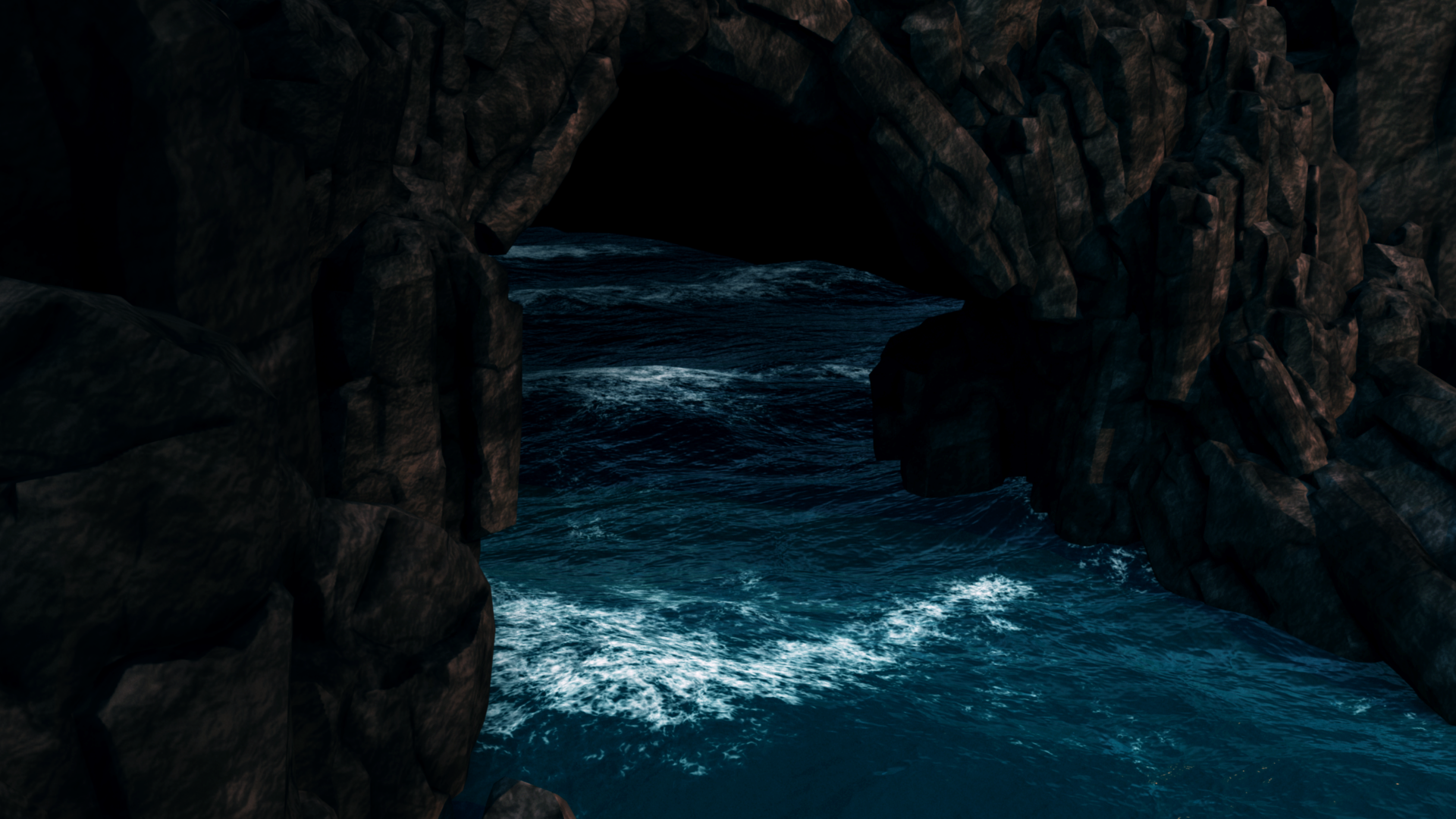
Hello everyone, just here today to talk a bit about the environments in Everend and show a bit of our inspiration for our levels and how we’re going about making them.

So for the environments within the game we broke up each of the levels to encapsulate an area of the cave. In order we are intending to have a water area, forest area, darkness area, fire/lava area, and a temple area. Not only to give the player a sense of progression, but also to show a wide variety of cave environments.

enviro 3

enviro 2

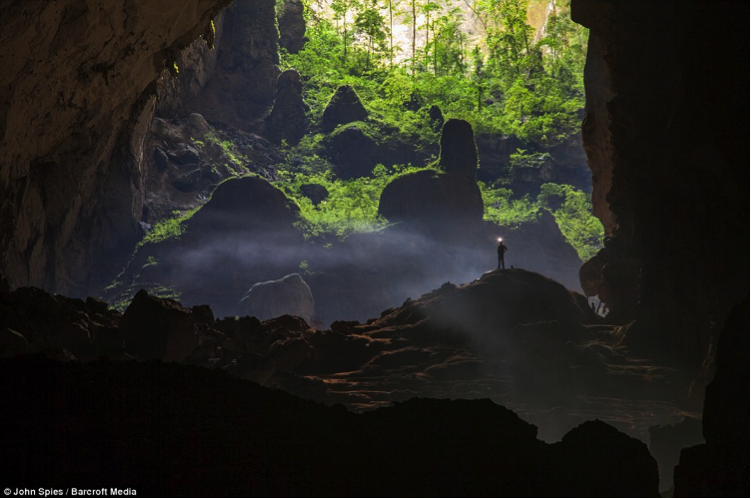
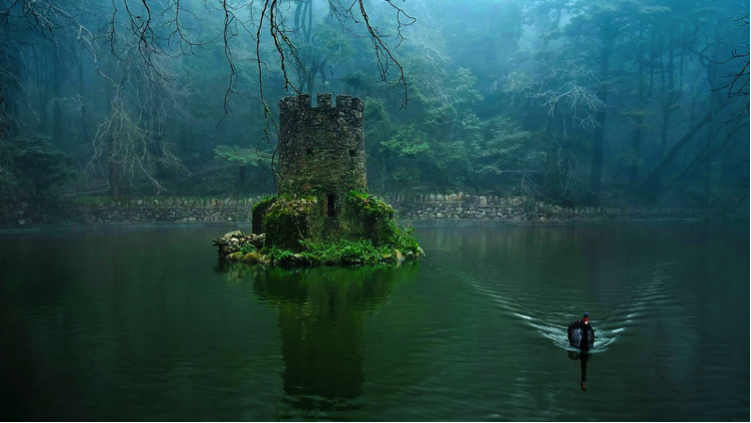
As stated in previous posts inspiration was taken from Crystal Caves in Spring Valley, Wisconsin. We have also taken inspiration from Hang Son Doong in Vietnam and Sintra Lake in Portugal.

In order to build out these environments we have taken the approach of creating and assembling the environments out of modular assets rather than build all of the levels from scratch, although several of the levels like the forest and temple levels will likely contain many assets unique to those locations. The modular approach gives much more flexibility with regards to level design and construction.


enviro 1

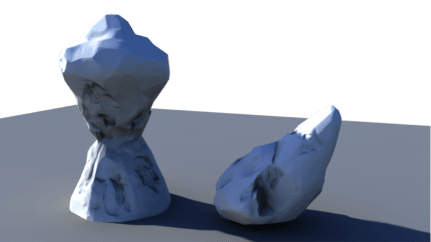
The un-textured “pillar” and “wedge” rock assets

So the pipeline for environments is pretty straightforward. First, the concept artists give the area a cohesive theme and look. Level design and gameplay teams decide on puzzles and how the area will be put together. Then the area is blocked out in unity while the assets are created. Finally the assets, animations, and puzzle mechanics are plugged into the environments, leaving it mostly complete.

We really strive to make the game’s environments feel immersive, from what we’re doing with the sound, to lighting, to the simple yet accessible and relatable art style. I really want the player to feel like they’re down in that cave.

­­

-Zack, Strix Game Studio